ACPET AND NITI – Research Partnership on Energy Transition

- ACPET Home
- ACPET AND NITI – Research Partnership on Energy Transition
As the third largest energy consumer in the world, India is crucial and poised to lead global energy transitions. However, in this journey India faces the distinctive challenge of balancing its clean energy targets with economic development and prosperity for its 1.4 billion citizens.
To shape the roadmap to a people centric transition knowledge and policy gaps need to be informed by rigorous research and energy and climate modelling studies.
The ACPET-NITI collaboration aids the development of in-house energy and climate modelling capabilities to drive policy action and facilitate informed debates on India’s integrated energy policy, issues, and challenges.
Methodology
- Defining the Core Question:
Identify the principal research or policy question driving the project.
Formulate clear objectives and scope of analysis in consultation with NITI Aayog and other stakeholders.
- Comprehensive Literature Review:
Examine existing national and international studies related to the research area.
Map the current policy landscape and identify knowledge gaps.
Draw insights from academic research, government reports, and global best practices.
- Stakeholder Consultations:
Engage with diverse stakeholders including government agencies, industry representatives, civil society organizations, and academic experts.
Gather qualitative inputs on challenges, opportunities, and practical considerations.
Ensure a people-centric perspective by incorporating social and community-level viewpoints.
- Application of Energy Modelling and Analytical Tools:
Use appropriate quantitative models (e.g., energy demand and supply models, emission scenarios, financial risk assessments) tailored to the project’s focus.
Test policy interventions under different scenarios to assess feasibility and impacts.
Translate technical modelling outputs into policy relevant insights.
- Deriving Policy Recommendations:
Synthesize evidence from literature, stakeholder inputs, and modelling results.
Develop actionable and context specific policy recommendations.
Ensure alignment with India’s energy transition goals and socio-economic priorities.
Stakeholders
Program Director (Energy, Climate and Green Transition)
Petroleum and Natural Gas Regulatory Board (PNGRB)
The Energy and Resources Institute (TERI)
Alliance for an Energy Efficient Economy (AEEE)
Indian Council for Research on International Economic Relations (ICRIER)
Rocky Mountain Institute (RMI INDIA)
World Resources Institute (WRI)
Advisors (ACPET)
Sub Projects
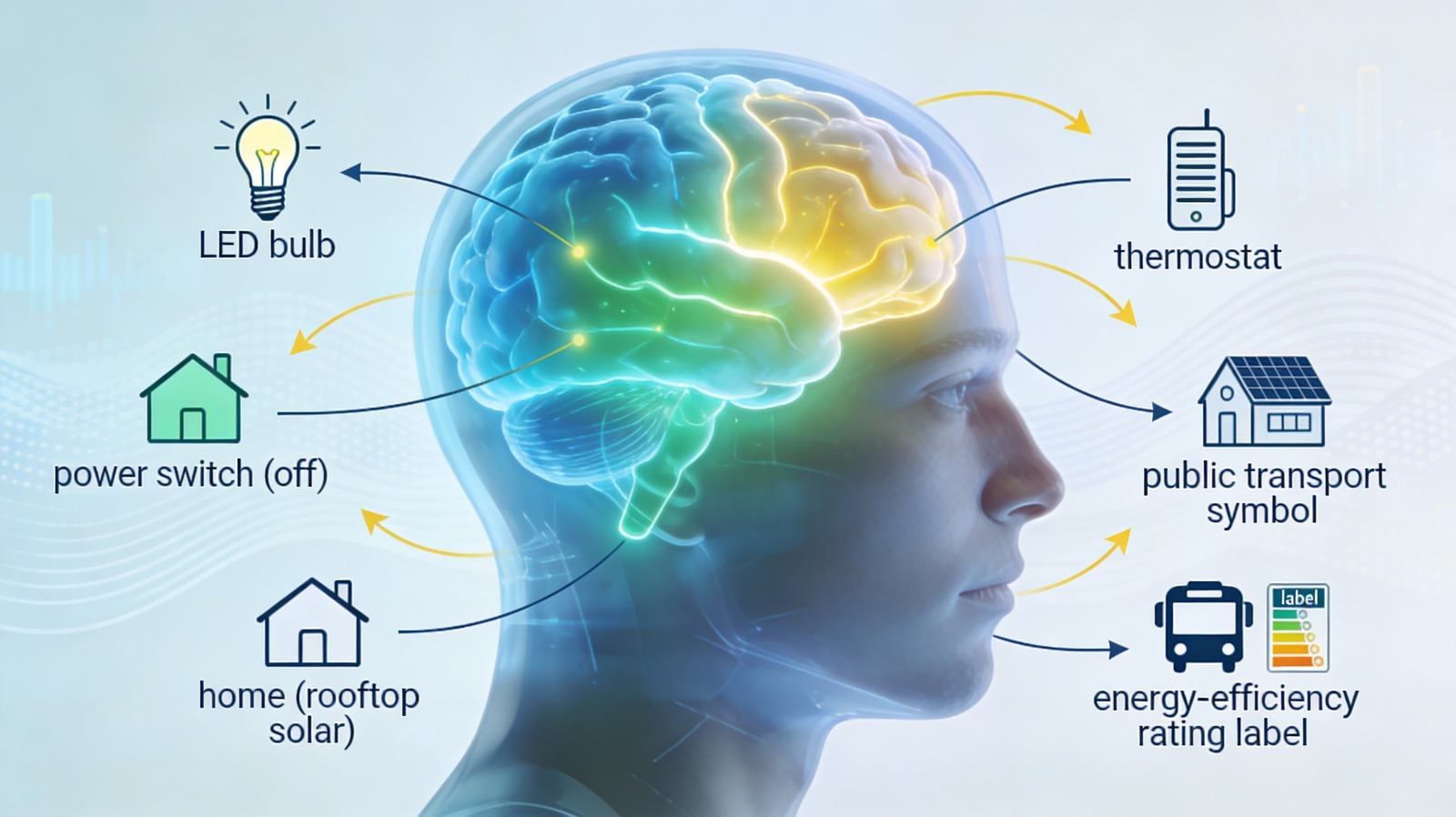
Working Group 2A (Transport Sector)- Role of behavioural nudges in sustainable mobility: The study provides a comprehensive list of behavioural nudges that can be adopted by Indian policy makers. These include nudges that will enable fuel switches, modal shifts and promote non-motorized transport.
Working Group 5 – Social Aspects of Energy Transition: Report submitted on the role of behavioural nudges in energy transition which highlights how India can amplify the efficacy of its energy transition efforts by integrating behavioural insights with policy interventions.
IESS 2070 (completed): NITI Aayog’s IESS 2047 (soon to be 2070) calculator is a strategic tool designed to aid long-term energy planning and policy formulation. It plays a crucial role in for navigating the complex energy landscape and supports India’s energy transition & Net Zero Pathways by modeling different energy scenarios. As a knowledge partner ACPET was involved in updating the modelling methodology and data of its fossil and renewable energy segments.
Assessing the Impact on Human Health of Net Zero Pathways (completed): A Summary of Current Research and Methodological Recommendations: A scoping review of research on the health co-benefits of net zero strategies in India revealed a lack of studies from Indian institutions, with most relying on outdated or international policies.
Integrate Mission LiFE principles into the IESS model by providing LIFESTYLE CHOICE levers for scenario building (Transport, Building and Industry Sectors) (Ongoing): A comprehensive study was conducted to formulate a list of behavioural nudges that can be adopted by Indian policy makers to enable objectives of MISSION LiFE. A modelling framework and scenario parameters are now being designed to integrate these nudges as scenario levers of IESS 2070.
Outputs
Workshops
Our Partners
NITI Aayog
Project Team