Approach to an Integrated Energy Policy in India

- ACPET Home
- Approach to an Integrated Energy Policy in India
India has set itself to a net-zero transition by 2070, and other milestones, along the way. Against this backdrop, the Energy Policies for India’s Conversion to a Net-Zero Economy (EPIC) report addresses one of the most complex challenges facing India today – defining the policy environment that would open up potential energy transition pathways for achieving India’s stated Net-Zero goals in a cost-effectively and inclusively.
There have been several attempts at developing an integrated energy policy. These have gone beyond intersectoral issues and provided detailed suggestions on how sectoral issues need to be handled. The main drawback of this approach is that since there is no common policy framework, substitution possibilities between the various energy sectors and sources do not get addressed. Thus, given the fungible nature of energy sources, there is a need for a policy framework that recognizes inter-fuel substitution possibilities and delivers optimal outcomes. It is also essential as sectors like Power, Renewables, Transport, and Information Technology, where long-term planning has been done traditionally in separate institutional setups, are now seen to be converging. There is a need to have a holistic approach at policy, regulatory and market development levels to enable holistic growth.
Much can be done to improve operational efficiencies across various energy sectors and strengthen the well-targeted reform initiatives of the Government of India to facilitate energy transition. The report revisits and creates support for such opportunities in a select manner. It recognizes the larger narrative in this transition, highlighting the unprecedented state engagement and therefore the abundant caution that needs to be exercised to ensure that incentives are efficiently and transparently allocated and delivered. The report also identifies the opportunities to take a coherent policy approach across the many sources energizing India and the supporting institutional framework, while acknowledging the significant potential that exists to decouple energy consumption from economic growth.
To navigate this complex array of issues, the report is divided into eight chapters that capture a sizeable part of the economy from a demand and supply standpoint. This is followed by a chapter that captures the cross-sectoral needs and suggests recommendations.
This publication draws upon a number of chapter submissions made under ACPET Project titled
“An Integrated Energy Policy Approach to India’s Net-Zero Commitments”.
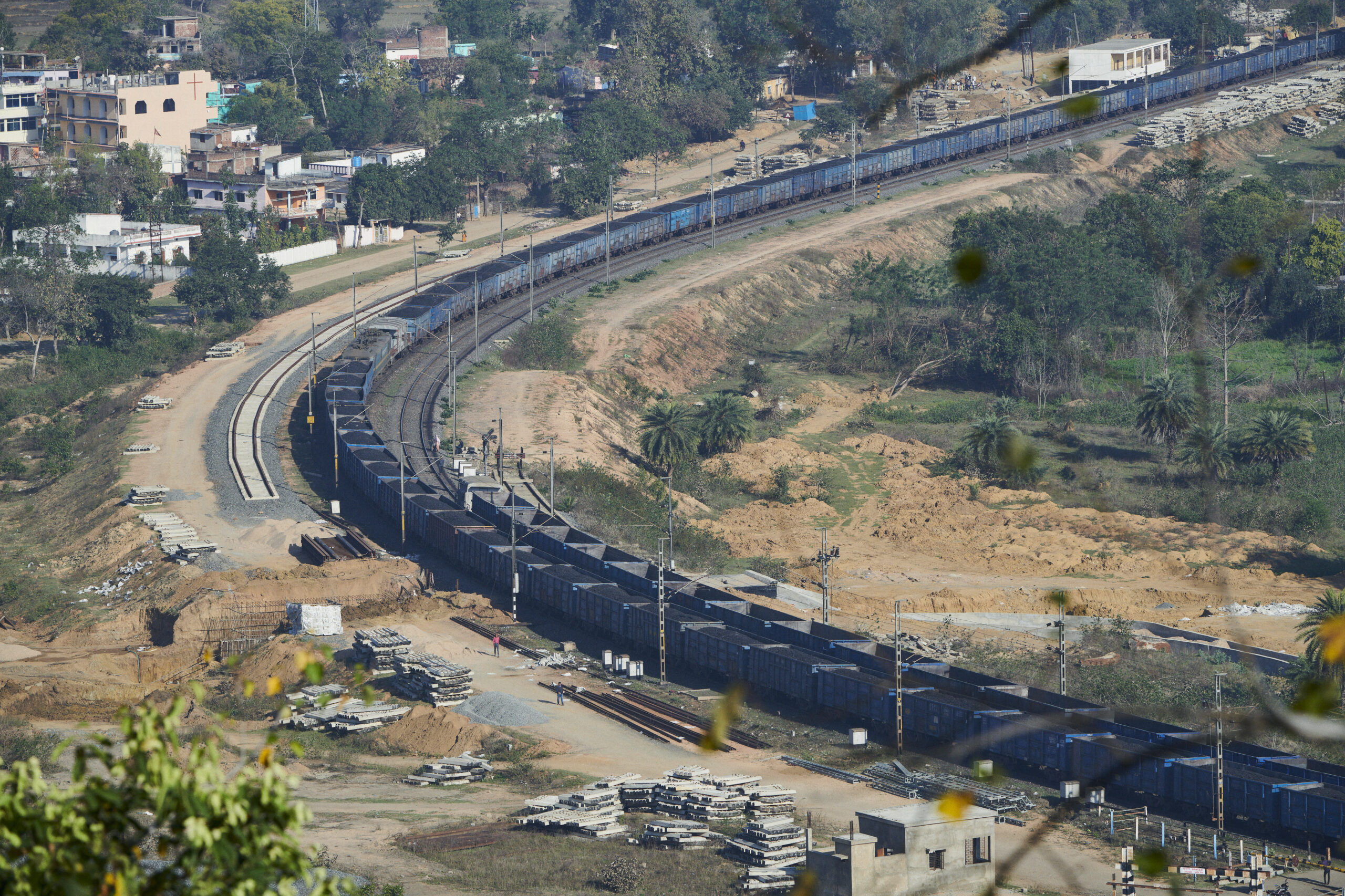
Outputs
Our Partners

Anil Kumar Jain, Chairman PNGRB
Rakesh Kacker, Advisor ACPET
Saurabh Kumar, GEAPP

Ronnie Khanna, GEAPP
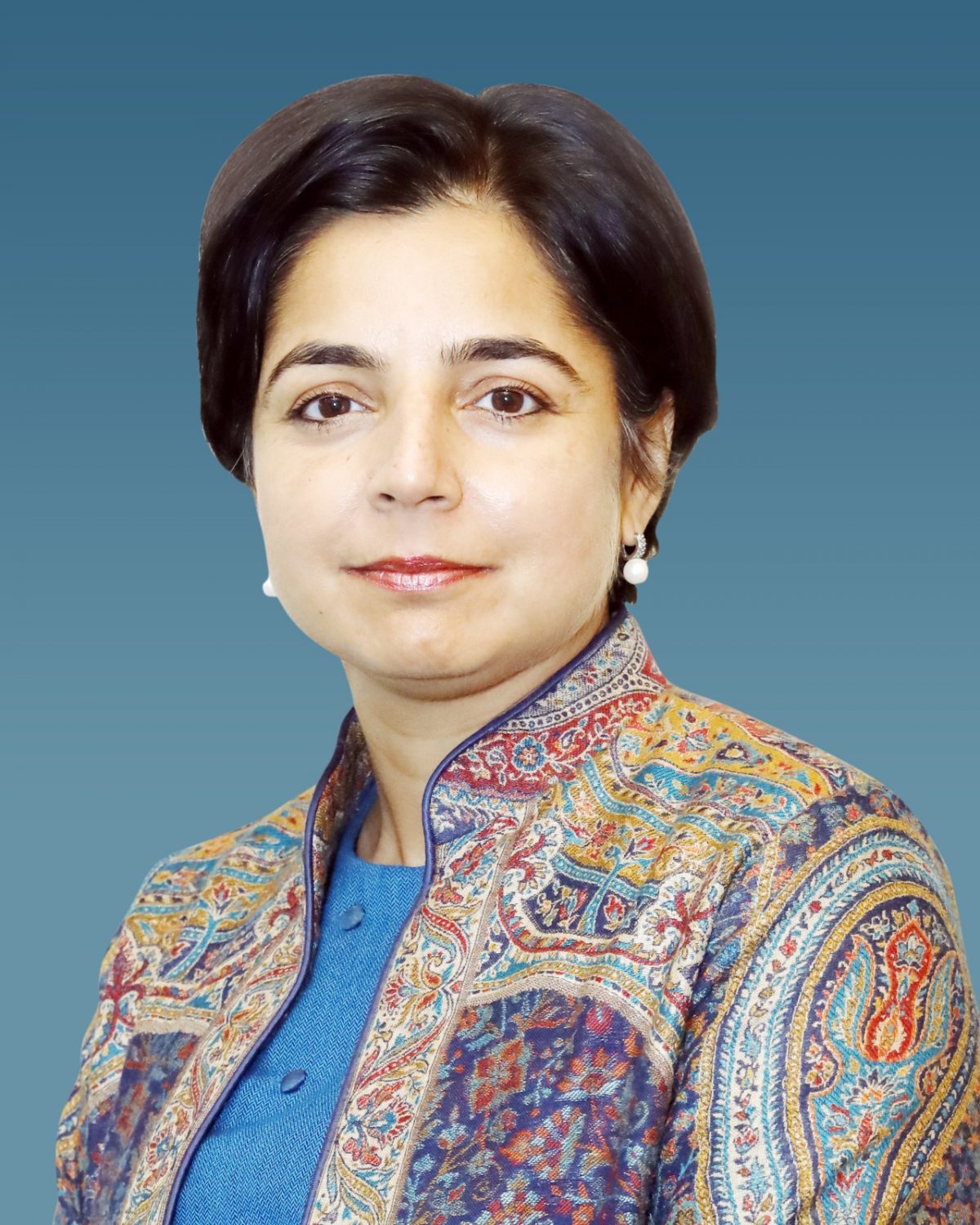
Mahua Acharya, C-Quest Capital

Sourav Pal, Ashoka University

Tanmay Tathagat, EDS
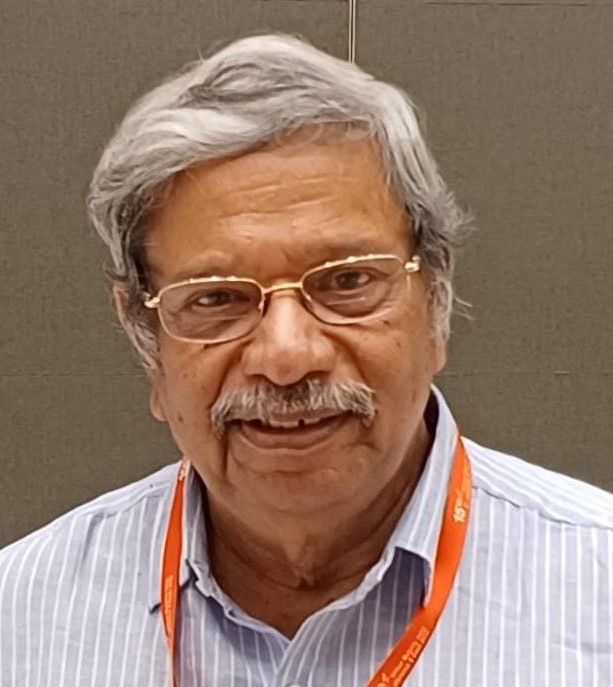
O P Agarwal, Professor of Practice, IIT Rourkee
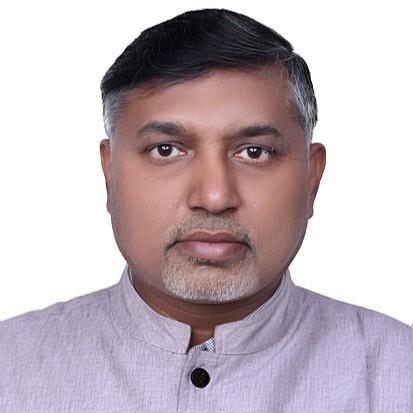
Vikas Ranjan, Pledge4Earth
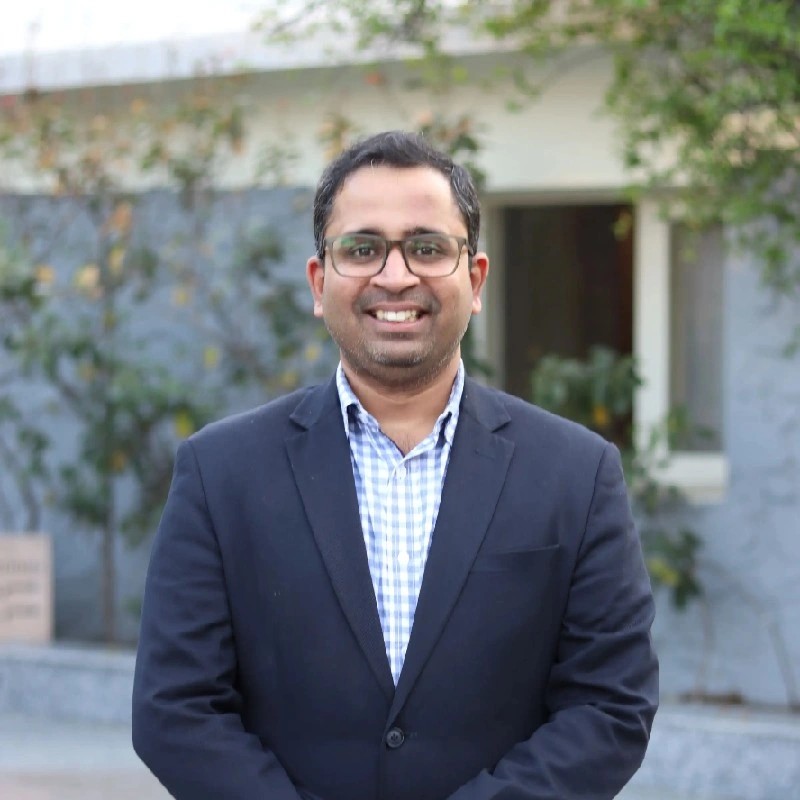
Ankit Jain, GDI Partners

Koyel Mandal, Shakti Foundation

Shubhashish, Shakti Foundation
Project Team