Socio-Economic Impact Assessment of Solid Fuel Blending in NTPC’s Thermal Power Plants

- ACPET Home
- Socio-Economic Impact Assessment of Solid Fuel Blending in NTPC’s Thermal Power Plants
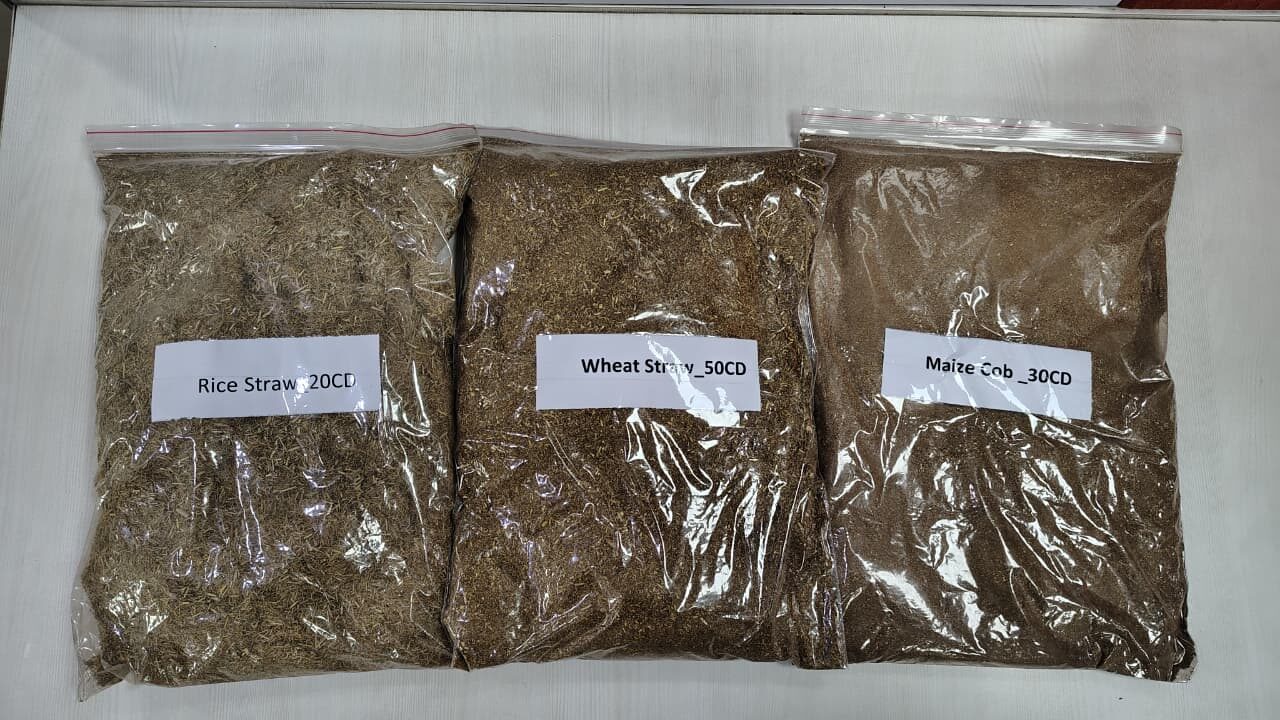
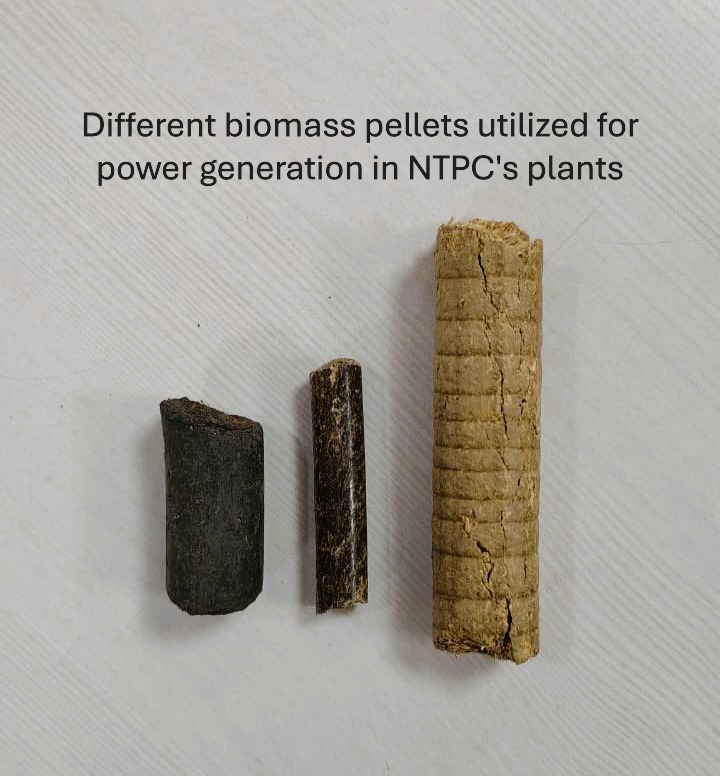
NTPC is leading India’s shift toward cleaner energy by blending coal with biomass and waste-derived fuels. This reduces greenhouse gas emissions, enhances energy security, and supports the National Bio-Energy Programme. Under the Revised Biomass Policy, thermal power plants must achieve 5–7% biomass co-firing by 2024–26. NTPC has already commercialized up to 6% agro-residue-based co-firing and recently reached 20% torrefied biomass co-firing at its Tanda plant in Uttar Pradesh.
While technical and emission benefits are documented, the socio-economic impacts, like rural employment, income generation, and community health, remain underexplored. This project aims to fill this research gap and evaluate the broader benefits of solid fuel blending.
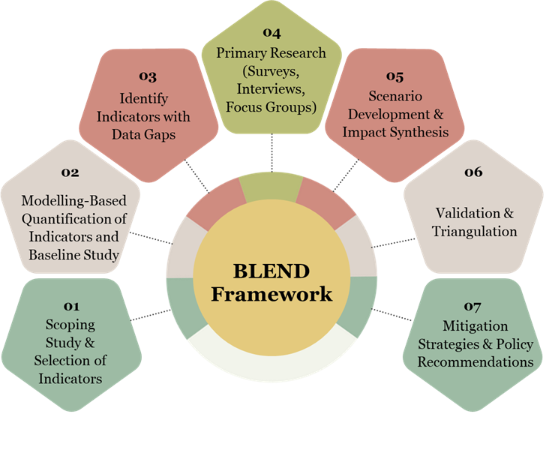
Methodology
Stakeholders
NTPC officials, plant operators, biomass aggregators, pellet manufacturers, transporters, and farmers.
Project Site
Outputs
Our Partners
NTPC Limited
World Energy Council, India
Project Team